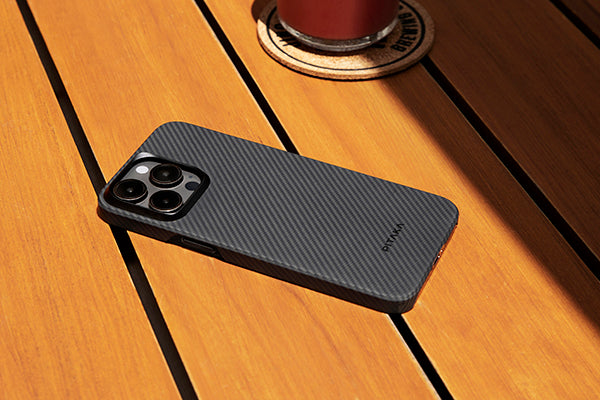
Phone cases do more than protect our devices from scratches and everyday damage. A high-quality phone case can also enhance the user experience and complement the phone's design. Among the many options available, carbon fiber and aramid fiber stand out for their distinctive properties, durability, and premium appeal.
Whether you're looking for an aramid fiber iPhone case that combines lightweight protection with minimalist style or exploring the benefits of an aramid fiber phone case, understanding the differences between these two materials can help you make a more informed choice.
Due to their similar appearance and potentially misleading product descriptions, many consumers confuse carbon fiber phone cases with aramid fiber phone cases. However, these are two distinct materials with different physical properties.
In this blog post, we'll explain the differences between carbon fiber and aramid fiber and help you understand which material is better suited for phone cases.
What Is Carbon Fiber?
Carbon fiber is a high-strength material made from extremely thin carbon filaments. It is known for its excellent strength-to-weight ratio and stiffness, making it a popular choice in aerospace, automotive, and sports equipment applications.
What Is Aramid Fiber?
Aramid fiber is a synthetic material made from long chains of aromatic polyamide molecules. It is known for its high tensile strength, heat resistance, and toughness, making it useful in protective equipment, aerospace applications, and other demanding environments.
Aramid fiber is also electrically non-conductive and offers good resistance to abrasion, making it a suitable material for lightweight phone cases.
The following table highlights some key differences between carbon fiber and aramid fiber.
| Property | Carbon Fiber | Aramid Fiber |
|---|---|---|
| Material | Carbon-based reinforcing fiber | Synthetic aromatic polyamide fiber |
| Mechanical Properties | High stiffness and tensile strength | High tensile strength and toughness |
| Abrasion Resistance | Depends on the fiber and composite construction | Generally good, depending on construction |
| Chemical Resistance | Varies with the composite resin and environment | Varies with the fiber type and chemical exposure |
| Electrical Conductivity | Electrically conductive | Electrically non-conductive |
| Heat Resistance | High thermal stability in suitable environments | High heat resistance; typically decomposes rather than melts |
| Color | Typically black | Typically yellow or golden in its natural state |
| Color Customization | Usually achieved through coatings or composite finishes | Colored variants and woven designs are available |
Carbon Fiber vs. Aramid Fiber: Which Is Better for Phone Cases?
Stiffness & Flexibility
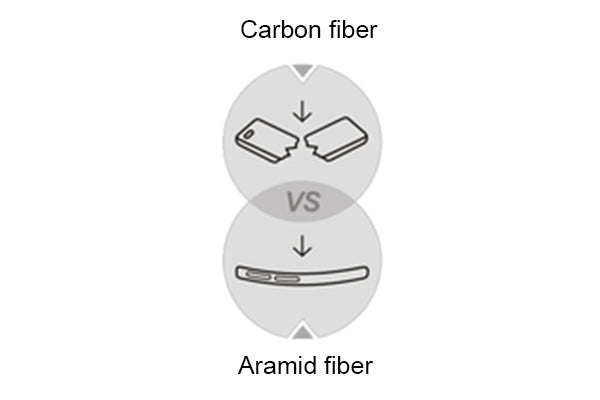
Carbon fiber is known for its high stiffness and strength, but carbon fiber composites can be relatively brittle under certain types of impact. Aramid fiber, on the other hand, is known for its toughness and ability to absorb impact energy.
These properties make an aramid fiber phone case an appealing option for users who want a lightweight, durable case with a slim profile. However, the actual protection offered by any phone case depends on its overall construction and design.
Electrical Conductivity
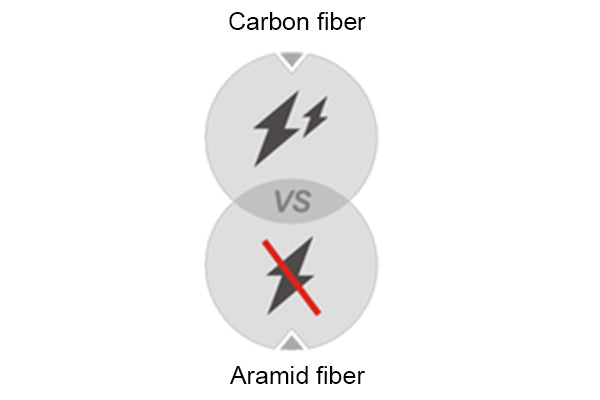
Carbon fiber is electrically conductive, which means that a phone case containing conductive carbon fiber may interfere with wireless signals depending on its construction, thickness, and placement.
Aramid fiber, by contrast, is electrically non-conductive. This makes it particularly suitable for phone cases designed to minimize interference with cellular, Wi-Fi, GPS, and other wireless signals.
Color
Carbon fiber is typically black in its natural form, while aramid fiber commonly has a yellow or golden appearance. Both materials can be incorporated into products with different visual finishes, although their coloring and manufacturing processes differ.
For an aramid fiber iPhone case, woven textures and color combinations can create a distinctive appearance while preserving a lightweight design.
Aramid fiber phone cases can also offer a comfortable, textured grip and good resistance to everyday wear. Their long-term appearance depends on the fiber, resin, surface treatment, and conditions of use.

Best iPhone 15 Case
Because carbon fiber is electrically conductive, its use in phone cases requires careful consideration of wireless signal performance. An aramid fiber phone case offers an alternative for users who value a lightweight design, durability, and wireless connectivity.
The PITAKA MagEZ Case 4 for iPhone 15 is crafted from aramid fiber and designed to combine slim protection with a refined appearance.
At approximately 0.95 mm thin and weighing around 17 g, this lightweight iPhone 15 case helps protect the device without adding unnecessary bulk. Its woven aramid fiber construction creates distinctive textured patterns and a comfortable feel.
With integrated MagSafe-compatible magnets, the case supports magnetic attachment to compatible accessories and wireless charging solutions.
It also features an integrated NFC component designed to provide access to product authentication and selected digital experiences through PitaStudio, subject to current service availability.